Food Allergy
The Research Group for Food Allergy aims to develop new and improved strategies for the prevention, management, and treatment of food allergy. The research is focused on identifying which properties of food proteins and which characteristics of individuals that contribute to the development of an allergy or tolerance as well as the underlying mechanisms.
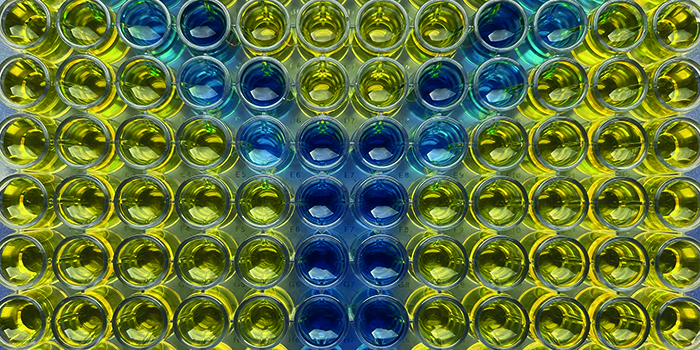
The researchers investigate the allergy and tolerance inducing capacity by conducting experiments in living organisms (in vivo), working with samples outside the body (ex vivo), performing cell-based experiments in the laboratory (in vitro), and executing computer-based analyses (in silico). In parallel, they examine how host-related factors such as the barrier function of the gut and skin, proteins uptake through the barrier, the composition of the gut microbiota and the immune status impact the development of allergy or tolerance, as well as how exposures to environmental factors contributes to this.
Approaches and methods
- Protein and immune response: It is investigated how protein properties, processing and food matrix influence immune responses and clinical outcomes.
- Exposure and dose: It is examined how exposure route (oral vs skin) and dose affect allergy and tolerance development.
- Host factors and mechanisms: It is investigated how e.g. barrier function (gut/skin), protein uptake, microbiota and immune status impact on allergy and tolerance development, the underlying mechanisms and their biomarkers.
- Models and methods: In vivo, ex vivo, in vitro and in silico models are used to study how allergy and tolerance arises de novo.
- Allergenicity assessment: Methods are developed and applied for assessing allergenicity of new protein sources, novel foods and sustainable foods.
- Prevention, management and treatment: New strategies and products are developed - for example for hypoallergenic infant formulas.
Collaborations and impact
Contact
Katrine Lindholm Bøgh Professor, Head of Research Group Phone: +45 35887092 Mobile: +45 28723244 kalb@food.dtu.dk