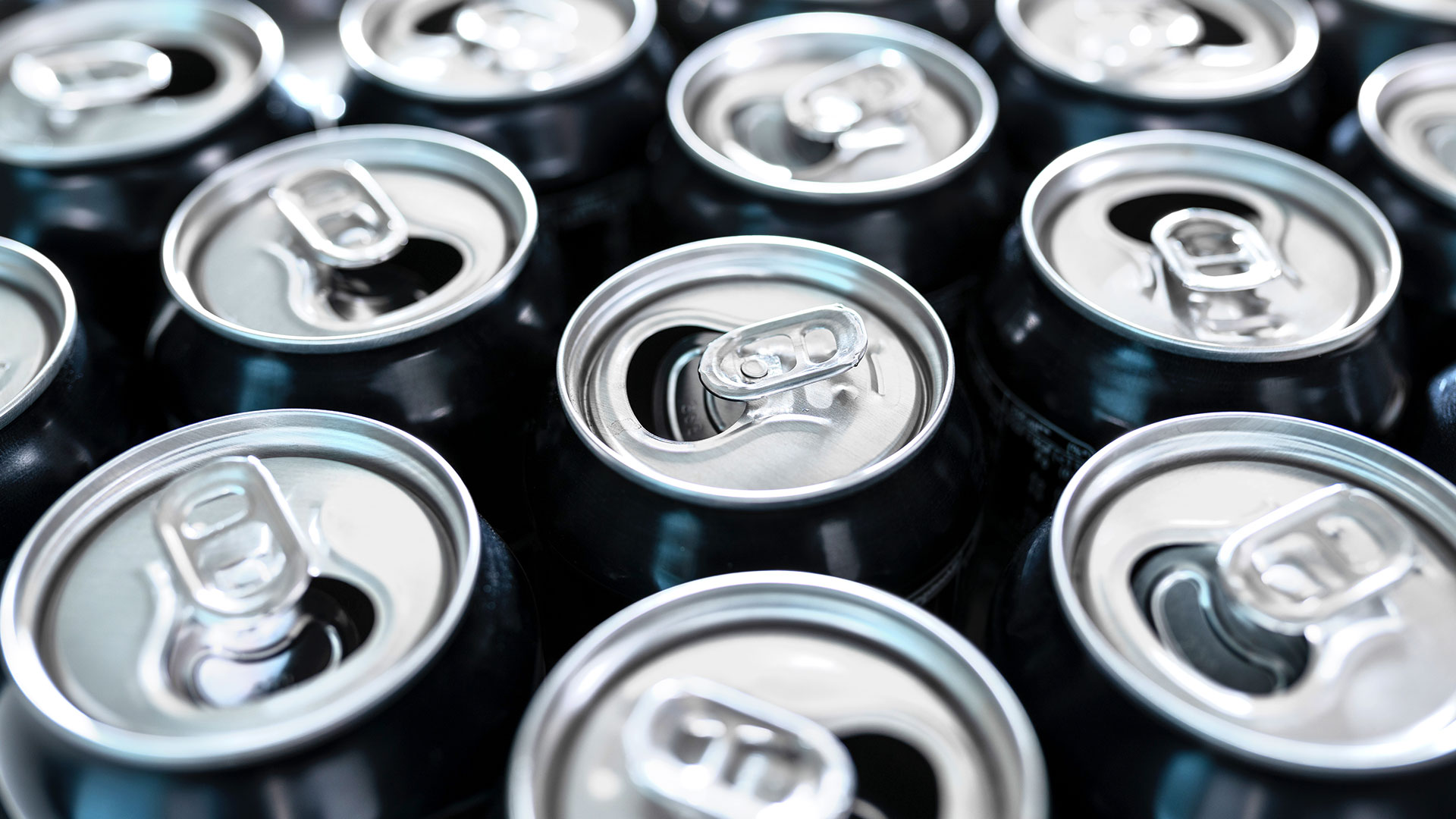
Danes drink far more energy drinks than other Europeans
In 2025, people in Denmark consumed 12 litres of energy drinks per year on average, while the average consumption in Western Europe was 7 litres per capita. This is shown in a new study from the DTU National Food Institute.
Photo: Colourbox
Wednesday 17 December 2025
Dorte Egelund
In 2025, Danes bought 72 million litres of energy drinks. This corresponds to an average consumption of 12 litres per person per year, while average consumption in Western Europe is 7 litres per capita. Ten years ago, Denmark was at the same level as Western Europe, with 3.2 litres per capita per year.These findings come from a study by the DTU National Food Institute, which raises concerns about potential health effects, particularly among children and young people.‘Energy drinks are now a firmly established part of the soft drinks market. When sales increase, can sizes grow, and caffeine content is at the upper limit, it gives cause for concern – especially for children and adolescents, who may experience side effects such as sleep problems, anxiety and heart palpitations when consuming high amounts of caffeine,’ says Marija Langwagen, project leader at the DTU National Food Institute and lead author of the study.
Development driven by regulatory changes
The study shows that this development has been driven by regulatory changes introduced between 2009 and 2014, which allowed higher caffeine levels, larger serving sizes and removed the tax on soft drinks, thereby supporting product expansion and the introduction of international brands.
This has meant, among other things, that:
manufacturers have more than doubled the number of energy drinks since 2014
500 ml cans now dominate the shelves, and several products are sold in even larger units
almost all products contain the maximum permitted caffeine content of 320 mg per litre
Added ingredients and sweeteners
Manufacturers use vitamins and other ingredients with physiological effects in their products. According to the report, this has limited nutritional benefit but may contribute to making the products appear more attractive than they are from a nutritional perspective.
The study shows that today:
manufacturers add 2 to 6 different B-vitamins in 89% of products
manufacturers include ingredients with additional physiological effects in 85% of products, including taurine in 80% and plant extracts such as ginseng and guarana in 53%
At the same time, the market is shifting towards more sugar-free varieties:
73% of energy drinks on the market in 2024 contain sweeteners
the proportion of sugar-free energy drinks has increased from 17% in 2014 to 59% in 2024
all major brands now offer sugar-free alternatives, and several newer brands sell exclusively sugar-free products
The growth in the number of sugar-free varieties is reflected in sales: energy drinks containing sweeteners have increased their market share from 19% in 2014 to 37% in 2024, and the upward trend continues.
Need for continued monitoring
The results underline the need to monitor developments in the market, including consumption patterns, availability and product composition.
‘I hope this study can provide a basis for a more nuanced understanding of the energy drinks market in Denmark and highlight the need for further research into caffeine intake and potential health risks, particularly for children and young people,’ says Marija Langwagen.
The report is based on product surveys in the retail sector in 2024/2025 and market data from Euromonitor International. It forms part of the Danish Veterinary and Food Administration’s project on caffeine intake and the update of the Danish Food Composition Database.
*Note on Western Europe
In this press release, the term ‘Western Europe’ refers to the region defined as ‘Western Europe’ in Euromonitor’s market data. This region includes Andorra, Austria, Belgium, Cyprus, Denmark, Finland, France, Germany, Gibraltar, Greece, Iceland, Ireland, Italy, Liechtenstein, Luxembourg, Malta, Monaco, the Netherlands, Norway, Portugal, Spain, Sweden, Switzerland, Türkiye and the United Kingdom.