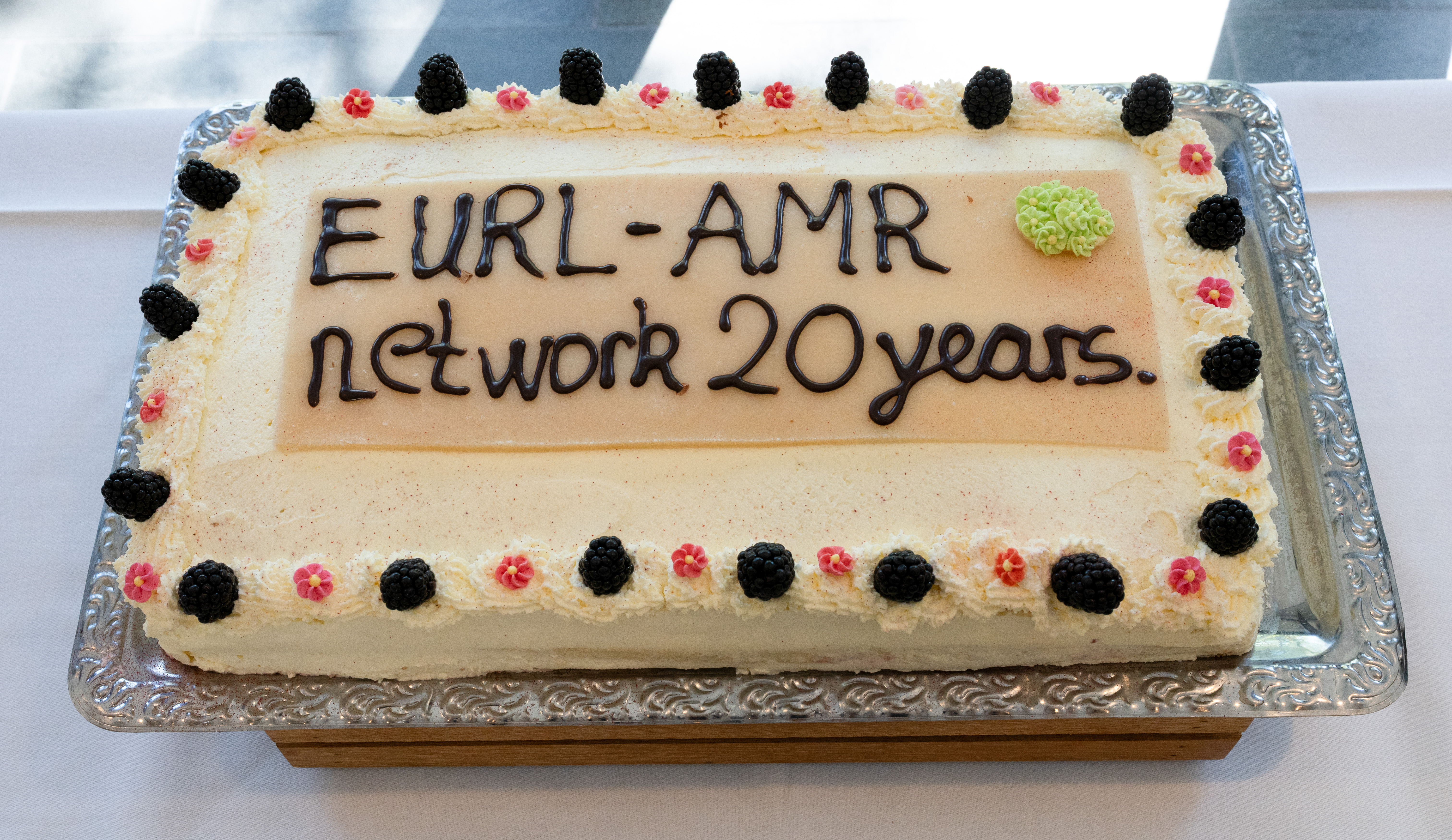
Over the past 20 years, the DTU National Food Institute has played a central role in developing a system that enables antimicrobial resistance data to be generated, compared, and interpreted consistently across Europe - providing the basis for identifying trends, assessing risks, and supporting effective interventions.
From early Danish action to European coordination
The foundations of this work were laid in Denmark in the 1990s. As one of the first countries, Denmark phased out antimicrobial growth promoters in livestock production. This decision not only changed national practice but also highlighted the need for systematic monitoring of resistance.
It marked a shift towards integrated surveillance of zoonotic bacteria and closer alignment between research, monitoring, and policy.
At the same time, collaboration with international organisations intensified, and the institute became a Collaborating Centre for the World Health Organization (WHO) in the field of Antimicrobial Resistance.
As cooperation between European laboratories developed within the EU project ARBAO, the basis for a coordinated system was established. When the European Commission introduced European Union Reference Laboratories (EURL), the framework was already in place. In 2006, DTU National Food Institute was appointed as the EURL for Antimicrobial Resistance (EURL-AMR) - a role it has maintained since.
Building the foundation for comparable data
The work of EURL-AMR is centered on ensuring that laboratory methods are aligned across countries. This includes the development and maintenance of protocols, validation of phenotypic and genotypic approaches, and regular assessment of laboratory performance.
Through proficiency testing, method development, and training, EURL-AMR supports consistent analytical quality across National Reference Laboratories. This provides the basis for surveillance data that are comparable and suitable for use in risk assessment and policy development.
The laboratory works in close collaboration with partners including the European Food Safety Authority (EFSA), the European Commission (EU), and international organisations such as the Food and Agriculture Organization (FAO), WHO and the European Centre for Disease Prevention and Control (ECDC).
From laboratory data to risk assessment
A harmonised surveillance system supports a wide range of activities beyond laboratory analysis. Reliable data is central to monitoring frameworks, regulatory processes, and the development of coordinated responses to antimicrobial resistance.
EURL-AMR contributes to these processes by providing technical expertise, supporting the implementation of EU legislation, and ensuring that laboratory data meet the required standards for comparability and quality.
According to Dr Ernesto Liebana, BIOHAZ Team Leader at EFSA, EURL-AMR has played a key role in building a coordinated European approach to AMR monitoring and in ensuring that countries generate comparable data that can be used for robust risk assessment.
International collaboration on AMR surveillance
Antimicrobial resistance does not stop at regional borders, and neither does the work required to monitor it. Through collaboration with international partners, EURL-AMR contributes to strengthening surveillance capacity and aligning methodologies beyond Europe.
This work is closely linked to broader efforts in capacity building, where methods, tools, and expertise are shared to improve the quality and consistency of AMR monitoring globally.
Work that continues to evolve
Laboratory technologies and data infrastructures have changed considerably since 2006. Methods have become more advanced, and collaboration between laboratories more structured.
At the same time, the need for harmonised data remains unchanged. Results must be comparable and interpretable across countries if surveillance and risk assessment are to function effectively.
“Comparable data across EU countries do not happen by chance. They rely on sustained collaboration, technical excellence, and a shared commitment that EURL-AMR has consistently provided over many years,” says Ernesto Liebana.
As antimicrobial resistance continues to increase globally, harmonised surveillance remains central to European efforts to understand and respond to resistance.